Baby Yoga Poses: Nurturing Connection and Development from Day One

DATE
June 3, 2025

Summer is a time for making memories, and for the newest members of the family, it can also be a wonderful opportunity to introduce gentle, nurturing activities. Among these, baby yoga poses stand out as a beautiful and intimate practice. It involves moving a baby's body through a series of stretches and poses, always with the loving guidance of a parent or caregiver. More than just physical exercise, baby yoga is an intimate bonding experience that profoundly supports a baby's physical, cognitive, and emotional development from their earliest days. This gentle introduction to movement highlights how these simple interactions can foster deep connection and overall well-being.

This practice offers a unique way for parents to interact with their infants, promoting relaxation, aiding digestion, and stimulating early motor skills. By exploring various baby yoga poses, this guide will demonstrate how this activity can be a joyful and beneficial addition to any family's routine, laying a foundation for healthy growth and a strong parent-child bond.

The Foundational Principles of Baby Yoga

Baby yoga emphasizes gentle, rhythmic movements that are appropriate for an infant's developing body. It’s crucial that all movements are fluid, supported, and never forced, always respecting the baby's comfort and natural range of motion. The focus is on gentle stretches, rocking, and light massage that can be adapted as the baby grows. It's essential to always ensure the baby is well-fed, rested, and alert before starting any session, as their comfort and cooperation are paramount for a positive experience.

Key principles for successful baby yoga include starting slowly and gradually increasing the duration or complexity of movements as the baby becomes accustomed to them. Continuously observing the baby's cues—such as fussiness, disinterest, or signs of discomfort—and stopping if there's any negative reaction is critical. The environment for baby yoga should be calm, warm, and free from distractions to maximize focus and relaxation for both parent and child. Even short, consistent periods of practice, perhaps just 5-10 minutes daily, can yield significant benefits in terms of development and strengthening the parent-child bond.

Poses for Physical Development and Strength

Baby yoga poses are specifically designed to support the development of core strength, flexibility, and coordination. These foundational physical attributes are vital for a baby's progression through key developmental milestones. Movements that involve gentle leg pumps, arm stretches, and supported rotations help to strengthen the large muscles essential for rolling, sitting, crawling, and eventually walking. These actions directly aid in building body awareness and control as the baby begins to understand and master their own physical capabilities.

These initial poses lay the groundwork for major gross motor milestones, preparing the baby's body for more complex movements. They also encourage symmetrical development, which is important for balance, posture, and overall physical coordination as they grow.

"Bicycle Legs" (Leg Pumps)

This pose is a cornerstone of infant movement exercises. It involves gently holding the baby's ankles and moving their legs in a cycling motion, as if they are riding a miniature bicycle. This movement is typically performed with the baby lying comfortably on their back.

"Bicycle Legs" helps to strengthen the baby's leg muscles and improves flexibility in the hips. Crucially, this gentle motion can be very effective in relieving gas and discomfort by gently stimulating the digestive system, making it a soothing practice for fussy infants.

"Knees to Chest"

A simple yet highly beneficial pose, "Knees to Chest" involves gently bringing both of the baby's knees up towards their chest, holding for a few seconds before slowly releasing them. This can be performed with one leg at a time to isolate the stretch or with both legs simultaneously for a more comprehensive effect.

This gentle stretch is remarkably effective in relieving gas, soothing discomfort associated with colic, and increasing flexibility in the baby's lower back and hip joints. It's often a comforting and calming movement that many babies readily accept.

Supported "Airplane" (Gentle Backbend)

The Supported "Airplane" pose requires careful and secure handling. The caregiver gently holds the baby with one hand supporting their chest and tummy, and the other hand supporting their bottom or legs. The baby is then gently lifted so they are horizontal, resembling an airplane in flight. It's vital to keep their head in line with their spine to ensure proper support.

This pose gently strengthens the baby's back and neck muscles, which are crucial for developing head control and, later, for achieving milestones like sitting up independently and crawling. Additionally, this position offers a new and stimulating perspective for the baby, encouraging visual exploration and spatial awareness.

Poses for Relaxation, Digestion, and Sleep

Beyond their role in physical development, many baby yoga poses are incredibly effective for promoting relaxation, aiding digestion, and significantly improving sleep patterns. The combination of gentle pressure, rhythmic movements, and close physical contact from the caregiver can profoundly soothe a fussy baby, help release trapped gas, and calm their nervous system, leading to a more peaceful and contented state.

Incorporating these specific poses into a pre-sleep routine can serve as a powerful signal to the baby that it's time to unwind and prepare for rest. This can potentially lead to longer, more restful sleep for both the baby and the caregiver, as the calming benefits extend far beyond immediate relief.

"Happy Baby" Pose

This pose is a favorite among both babies and caregivers for its soothing qualities. While the baby is lying comfortably on their back, gently bring their knees towards their armpits, allowing the soles of their feet to face the ceiling. The caregiver then gently holds the baby's feet or ankles, ensuring their shins remain perpendicular to the floor.

"Happy Baby" pose gently stretches the hips and groin, mimicking a natural, comforting position that babies often adopt on their own. It is particularly effective in alleviating discomfort from gas or constipation, and its inherent gentle nature makes it a very relaxing experience for most infants.

Gentle Tummy Massage & Strokes

While not a traditional "pose" in the conventional sense, gentle tummy massage is an integral and highly beneficial component often integrated into a baby yoga session. Using a small amount of baby-safe oil or lotion, gently massage the baby's tummy in a clockwise direction. Alternatively, perform gentle "I Love U" strokes: stroke down the left side of the baby's abdomen for the "I," then across the top and down for the "L," and finally an inverted "U" shape for the "U."

Tummy massage is highly effective for stimulating digestion, providing relief from gas and constipation, and offering a deeply comforting and bonding experience. This physical interaction can lead to profound relaxation and significantly contribute to better sleep patterns for the baby.

Supported Forward Fold

For this calming pose, seat the baby facing you, ensuring they are well-supported. Gently support their back and allow their upper body to softly fold forward over their legs. During this pose, the caregiver can sing a soothing song, hum gently, or softly rock the baby in this position to enhance the calming effect.

This gentle compression of the abdomen, combined with the mild stretch, can help release tension in the baby's back and hips. Its gentle pressure on the digestive organs can further aid digestion and promote comfort, making it an excellent winding-down pose to prepare for rest.

Fostering Connection and Cognitive Stimulation

Beyond the physical benefits, baby yoga is a powerful tool for strengthening the bond between caregiver and infant. The dedicated one-on-one time, often involving skin-to-skin contact, sustained eye contact, and soothing vocalizations during the practice, deeply enhances attachment and creates a profound sense of security and trust. This intimate interaction is vital for a baby's emotional well-being and forms the bedrock of a positive parent-child relationship.

Furthermore, the varied movements and physical sensations experienced during baby yoga actively stimulate a baby's senses, contributing significantly to their cognitive development. As babies learn about their body in space—how it moves, stretches, and interacts with their surroundings—they build crucial neural pathways. This process improves proprioception (the sense of where one's body is in space) and enhances their understanding of cause and effect. Talking to the baby and describing the movements during the poses also supports early language development and responsiveness, as they begin to associate words with actions and physical sensations. This holistic engagement creates a rich learning environment from infancy.

Want a quick reference? Download our handy "Baby Yoga Poses" infographic for a visual guide to these beneficial movements! 

Discover Early Development & Bonding in NY

At Sunshine Learning Center, we understand the profound benefits of baby yoga poses and the incredible impact they have on early development and parent-child bonding. Our carefully designed enrichment program focuses on nurturing every aspect of your child's growth, including practices like baby yoga that support physical milestones, emotional well-being, and cognitive stimulation. 

We believe in providing experiences that build strong foundations and foster a lifelong love for learning in a supportive and engaging environment. Learn more about how your little one can thrive through our comprehensive enrichment offerings by finding a location near you to explore specific class availability!

Explore moreBlogs & Articles

2
Min
June 2, 2026

How to Transition Your Child from One Daycare Classroom to the Next

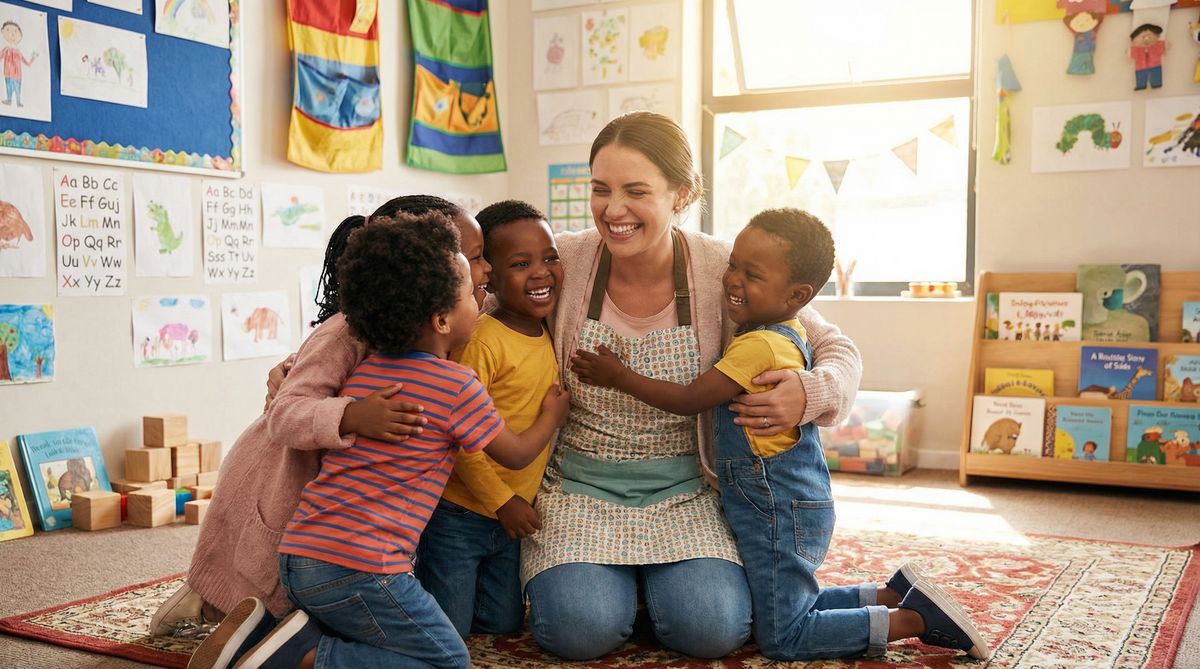
Teacher hugging children in classroom during transition

Moving to a new classroom is a big step for young kids. Whether your toddler is moving from the infant room to the young toddler room, or from a mixed-age class to a preschool class, the transition can feel intense for both of you. But it doesn't have to be painful.

After years of caring for kids through these moves, we've seen what works. The key is preparation, consistency, and understanding that emotions are completely normal. Here's what you need to know.

Why This Transition Matters

Your child has spent months or years in their current classroom. They know where everything is, they trust their teachers, and they've built real friendships with other kids. Now they're leaving all of that behind.

For adults, that might sound like a small thing. For a four-year-old, it's genuinely scary. They don't understand why they're being moved. They don't know if their friends will still like them. They're worried about new routines, new teachers, new bathroom locations.

This isn't neediness. This is how growing up works.

Start Talking About It Weeks in Advance

Don't wait until the week of the transition to mention it. Start conversations at least four to six weeks before the move happens. Keep it simple and positive.

Try something like: "Soon you're going to move to the big kid classroom. You'll get to do new activities, and you'll meet new friends. Your teachers will help you learn new things."

Answer questions honestly. If your child asks why they're moving, explain truthfully: "You're getting bigger and learning more, so you're ready for the next classroom." Don't oversell it or make it sound like the old classroom wasn't good.

Read books about transitions. There are several picture books designed for young kids navigating this exact situation. Reading together opens up conversations naturally.

Visit the New Classroom Before Day One

If the daycare offers a pre-transition visit, take it. This is one of the most powerful preparation tools you have. Let your child walk around, see where things are, meet the new teacher, and sit in a chair at their new table.

If the teacher is available, ask her to show your child the playground area, the bathroom, the cubbies, and the classroom library. Familiar spaces feel less scary when you've seen them before.

Take photos during the visit. At home, look through them together and talk about what your child saw. This reinforces the new space in their mind as a real, knowable place, not some abstract scary future.

Expect Some Regression and That's Okay

Transitions trigger stress, and stress often shows up as regression. Your child might start having accidents again after being potty trained, or want a bottle they haven't asked for in months, or become clingy at drop-off when they've been independent for weeks.

This is not permanent. This is not a sign you're doing something wrong. This is how kids process big change.

Give your child grace. If they need to crawl into your lap when they get home, let them. If they're not hungry at their usual snack time, that's fine. Regression is their way of saying, "I need a little help with big feelings right now."

At the same time, keep routines consistent. Bedtime at the same time, breakfast the same way, the same drop-off goodbye ritual. Consistency at home is the anchor while everything else is changing.

Build Excitement About New Teachers

Meet the new teacher. Ask them what your child's new classroom will focus on. What curriculum materials do they use? What's a typical day like? What are their expectations around behavior and learning?

When you're excited about the teacher, your child picks up on that. If you say, "Your new teacher, Ms. Rodriguez, teaches the most amazing science activities," that matters.

We tell parents at Sunshine Learning Center: ask the teacher about their approach to classroom transitions. Good programs have a clear transition protocol. They introduce new routines slowly. They keep the first week pretty predictable. They check in with parents about how the adjustment is going.

The First Week: Patience is Everything

The first few days will be emotional. Your child might cry at drop-off, even if they haven't cried in months. They might come home quiet or cranky. Both are normal.

Send a comfort item if the center allows it. A stuffed animal, a blanket, a photo of your family, something familiar from the old classroom. Many kids need this bridge object during the transition.

After pickup, ask specific questions. Don't just say, "How was your day?" Say: "Who did you play with today? What was your favorite thing you did? Did you figure out where the new bathroom is?"

If your child is struggling, stay in touch with the teacher. Text photos of how the old classroom went. Share information about your child's preferences, fears, and interests. Teachers can't help with something they don't know about.

Watch for Signs Your Child Isn't Adjusting

Most kids adjust to a new classroom within two to four weeks. There will be hard days mixed in, but you should see progress.

Watch for these signs that something deeper is going on:

  • Your child is crying intensely every single day and showing no improvement by week three
  • They're refusing to enter the classroom or running away
  • They're not eating lunch or using the bathroom at school
  • They come home complaining about specific kids or teachers every day
  • They're having regression beyond the first week or two
  • Sleep is severely disrupted, or nightmares start

If any of these happen, talk to the teacher. Ask if they're seeing the same thing. Sometimes the classroom situation really isn't right for your child, and that's worth exploring. Sometimes your child needs a little more time and maybe a small tweak to the routine.

Help Them Build New Friendships

Kids make friends through repeated exposure and play. Help this happen by asking the teacher who your child is playing with and encouraging those friendships outside of school.

If the daycare has a class newsletter with photos or updates, look at it together. "Oh, I see you and Marcus were building with blocks today. Marcus is cool." Recognizing friendships helps them feel real.

Arrange playdates with classmates if possible. Seeing kids outside of the classroom makes the relationships feel more solid and makes the classroom feel like a friendly place, not a scary one.

Don't Sneak Out at Drop-Off

We get it. If you sneak away, there's no crying, no goodbye hug, no drawn-out farewell. It feels easier in the moment.

It's also teaching your child that you disappear without warning. Kids who've been sneaked out on don't trust drop-offs. They worry that you might vanish at any time.

Instead, have a quick, clear goodbye ritual. A kiss, a hand wave, a specific phrase like, "I'll see you after snack time." Keep it the same every day. Tell your child you're leaving, and follow through.

Crying at goodbye is hard, but it's honest. Your child is working through their emotions. Let them. Teachers know what they're doing. They'll help your child transition from goodbye to play.

The Emotional Piece is Just as Important as the Logistics

You can visit the classroom a hundred times, but if your child senses that you're anxious about the transition, they'll absorb that anxiety. Kids are emotional sponges.

If you're feeling nervous about your child moving to a new classroom, that's human. But when you're with your child, project confidence. "Your new teacher is going to love you. You're so ready for this." You probably believe it already; you just need to say it out loud.

Celebrate the Move

When your child has been in the new classroom for a few weeks and is settling in, celebrate it. Take them for their favorite dinner. Tell them how proud you are that they're brave. Let grandparents call to congratulate them.

This isn't materialistic. This is telling your child, "You did a hard thing. You adjusted. We're proud of you." That matters.

Sunshine Supports Smooth Transitions

At Sunshine Learning Center across New York, we think about classroom transitions as a real milestone, not just a logistical move. We gradually introduce routines before the transition happens. We communicate with parents constantly during those first few weeks. We know it matters.

Research from the American Psychological Association confirms what we see every day: children with strong social-emotional skills handle transitions better. Social-emotional learning in preschool isn't a luxury; it's the foundation for handling life's changes.

If you're planning a transition and have questions about how we approach it, schedule a tour at any of our eight locations. We're happy to talk you through our process.

The bottom line: classroom transitions are temporary. Your child will adjust. In a few weeks, they'll love their new teacher, forget where the old bathroom was, and wonder why they were ever nervous. And you'll wonder how they grew up so fast.

Frequently Asked Questions

How long does it take a child to adjust to a new classroom?
Most kids adjust within two to four weeks. The first week is usually the hardest, with emotions easing in weeks two and three. Every child is different, and some take a bit longer.

Should I stay in the new classroom on the first day?
Ask the center what they recommend. Most programs prefer parents to do a full drop-off, but some offer a short visit-and-leave approach. Follow the center's protocol. Teachers have expertise in this.

What if my child has separation anxiety and the transition makes it worse?
Separation anxiety is real. The best approach is consistent, kind, firm goodbyes. Prepare your child with the visit, start talking about it early, and keep home routines stable. If it's severe, talk to the center and your pediatrician.

Is it normal for a potty-trained kid to have accidents during a transition?
Yes. Stress triggers regression. It usually resolves once your child feels secure in the new classroom. Stay calm, don't punish, and gently remind them of the bathroom location.

What if my child says they don't like the new teacher?
Give it time. Kids often say they don't like something new because it's unfamiliar. Ask the teacher how your child is responding and what they're observing. If there's a real personality conflict after three to four weeks, talk to the center about it.

READ ARTICLE
2
Min
May 28, 2026

Summer Childcare in NYC: Your Options Beyond the School Year

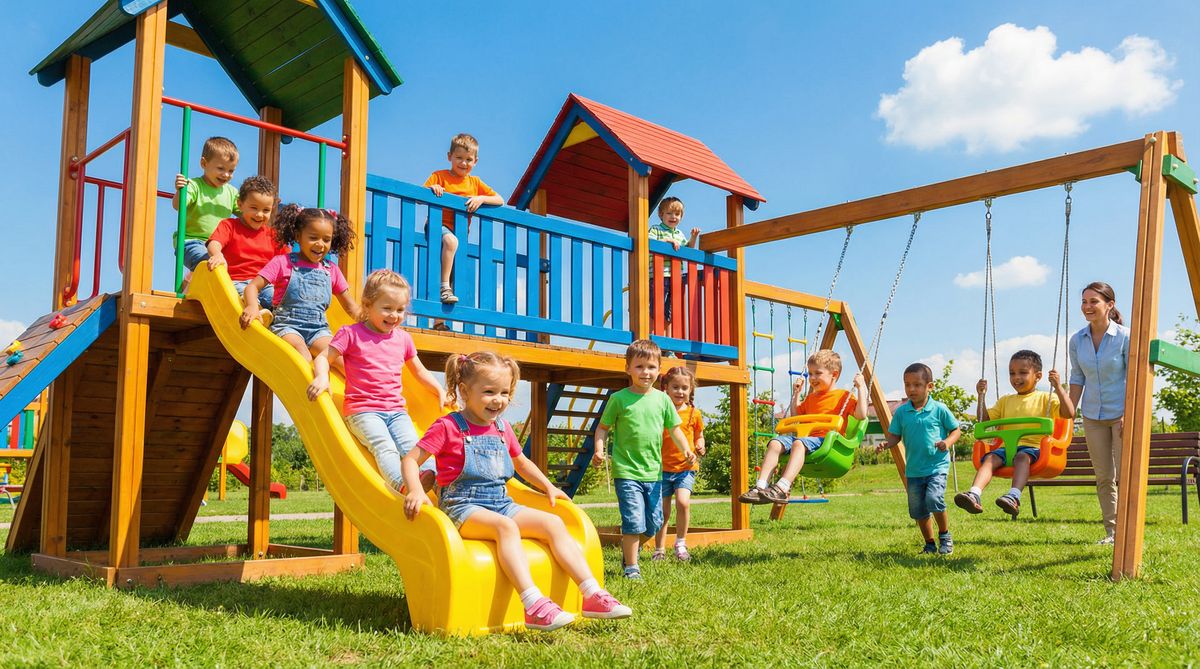
Children playing outdoors on a sunny day at summer daycare

Parents in New York City face a unique challenge every June: school ends, summer camp slots fill up fast, and suddenly you need childcare for 10 weeks straight. If you're working full-time and your kids are out of school, summer childcare in NYC becomes your entire summer budget conversation.

The good news? You have real options. The harder part is understanding what actually exists, what's affordable, and what fits your family's schedule.

The Summer Childcare Gap Is Real

Most NYC families with kids in pre-K or elementary school hit the same wall: school ends mid-June. Camp doesn't always start until late June or July. Some camps run morning-only, which doesn't cover your work day. Others are outrageously expensive, or they're full by the time you realize you need them.

Sunshine Learning Center has watched families scramble through this every year. Some parents cobble together three different care options (camp, summer school, and a nanny). Others negotiate WFH time with their employer or shift to part-time. Some rely on family. But if that's not possible for you, knowing your actual options upfront saves weeks of stress.

NYC's Official Summer School Programs (Free or Low-Cost)

New York City Department of Education runs summer school programs for kids going into K-8. This is a real option and it's affordable, but most parents don't know about it until late May.

How Summer School Works

The DOE offers free summer school to most NYC public school students. Sessions typically run 4-6 weeks starting in late June. Academic focus varies: some programs target kids who need to catch up academically; others are general enrichment. Your school sends home notifications in May, and enrollment happens through the school.

For pre-K kids (ages 3-4), the situation is different. UPK programs typically shut down for summer, though some run limited summer sessions. Check with your specific UPK site in June.

The Real Talk

Summer school is cheap (free to $300) and gives you five or six hours of care per day. The trade-off: programs are often crowded, focus is academic, and the schedule is rigid. If your kid struggled with focus during the regular school year, summer school might not be a break for them. It feels like school, because it is.

Day Camp: The Summer Classic (and It's Expensive)

If your budget allows, full-day camp is the most common solution. NYC has hundreds of day camps, and they range from neighborhood YMCA programs to specialized arts, sports, or STEM camps costing upward of $3,000 per month.

What to Know About NYC Day Camps

Most day camps run 9 AM to 3 PM, with optional before-care (8 AM) and after-care (up to 5 PM or 6 PM). Many require full-week enrollment with limited drop-in options. June camps fill faster than August camps because parents book early.

The registration window for popular programs opens in late February or March. If you're reading this in May and thinking "I should look into camp," you might be too late for the best options. Early birds get the good schedules; late registrants get spillover programs or long waitlists.

Different Camp Flavors

  • Neighborhood day camps (YMCA, community centers): $1,200-1,800/week, play-focused, mixed ages
  • Specialty camps (sports, arts, coding): $1,500-3,000/week, skill-building, specific interests
  • Private schools' summer programs: $1,500-2,500/week, academics or enrichment mix

Real Cost Reality

Ten weeks of camp at $1,500/week = $15,000. That's a significant expense for a single income household. Many families negotiate: two weeks of camp (expensive), four weeks with grandparents, and two weeks doing free stuff in the neighborhood.

Preschool Summer Extended Sessions

Some private preschools, including Sunshine Learning Center, offer extended summer programming. If your child already attends preschool, ask your director what's available.

What Sunshine Offers

Sunshine runs summer sessions at select locations, maintaining our Creative Curriculum approach with a lighter, play-focused schedule. It's not a dramatic shift from the school year, so kids stay in a familiar environment with the same teachers (usually). Sunshine families typically find the transition smooth: kids wake up and go to the same place they've been going since September.

The advantage: consistency. Your child isn't adjusting to a new program, new staff, and new kids on top of the summer schedule disruption. They wake up, go to Sunshine, and the routine stays predictable.

Preschool Summer Sessions vs Full-Day Camp

  • Preschool session: shorter days often (some end at 2 PM), familiar environment, Creative Curriculum play-based approach
  • Day camp: longer days, new environment and kids, more field trips and activities, higher cost usually

If your kid thrives on routine and isn't ready for a big new program, a familiar preschool summer session might be smarter than pushing them into a large camp. Talk to your current provider.

Combination Schedules (The Most Common Real-World Solution)

Most NYC families don't use one option for all ten weeks. Instead, they patch together three or four options to cover the gap.

A Typical Combination

  • Weeks 1-2: Summer school (free)
  • Weeks 3-6: Day camp (you booked in March)
  • Weeks 7-8: Grandparents' place or vacation
  • Weeks 9-10: Preschool summer session or light camp

This costs less than full-time camp all summer, spreads the expense, and gives kids variety. It also means more planning and coordination on your end, but for many families it's the most realistic approach.

Another Combination

  • Camp Mon-Wed mornings (9 AM - 12 PM)
  • Nanny or babysitter Wed afternoon-Friday
  • Weekends with family

This works if your job allows three half-days in an office and two work-from-home days. You're spending less on camp (less hours) and filling gaps with flexible childcare. Many families find this balances cost with flexibility.

Summer Camps Without the Price Tag

If the $1,500/week camps are out of reach, NYC has free and low-cost summer options.

Parks Department Summer Programs

NYC Parks runs free and low-cost programs in parks and recreation centers across all five boroughs. They're neighborhood-specific, very affordable ($50-200/week depending on income), and focus on play, sports, and arts. Quality varies by park and location, but it's a real option for outdoor summer activities.

Library Summer Reading Programs

Public libraries run free summer reading programs with activities, storytimes, and occasional field trips. Not childcare (they're 1-2 hours), but they give structure to your summer and get kids out of the house.

Museum and Cultural Institution Programs

Many NYC museums offer affordable or pay-what-you-wish summer programming. The Natural History Museum, Children's Museum of Manhattan, and others have rotating exhibitions designed for summer visitors. Plan for heat and crowds, but it's cheaper than camp.

Neighborhood Walking Tours and Free Activities

Parents in every NYC neighborhood have figured out the best free summer spots: splash pads, neighborhood streets closed for summer play, botanical gardens, outdoor movie nights in parks. These aren't structured childcare, but they're part of most families' summer survival plan.

Remote Work and Summer Care

If you have the flexibility to work from home part or all summer, that changes your equation. You're not looking for full-time childcare; you're looking for programming and activities that keep your kids engaged while you're nearby.

Sunshine's summer programs work well for this scenario. Shorter days (some end at 1 or 2 PM) plus your presence at home means your kids have structured time with peers and teachers, and you're not paying for full-day care you don't need.

Some parents also hire babysitters or nannies part-time during summer when they need a few hours of focused work time. This is often cheaper than full-time care and more flexible than camp. The right arrangement depends on your budget and how much hands-on presence you want.

The Daycare Transition in Summer

If your kid is in daycare full-time during the school year, talk to your provider immediately about summer coverage. Some daycares offer full summer programs; others don't. Knowing this in May, not June, gives you time to plan.

Sunshine operates summer programming at multiple locations and maintains consistent hours and curriculum. If your child already attends Sunshine, you likely don't have a gap, you just confirm the summer schedule with your director.

Questions to Ask Before You Commit

Whatever option you're considering, ask these questions early:

  • What are the actual start and end dates?
  • What hours does the program run, and what are before/after-care options?
  • Is it five days a week, or flexible drop-in?
  • What's the cancellation policy if your work schedule changes?
  • Are field trips included, and how are they funded?
  • What happens on hot days or if the NYC heat triggers emergency closures?
  • Is the program full or is there waitlist availability?

For camp: Ask about the staff-to-child ratio, what activities are planned, and whether your kid can bring a comfort item or favorite book.

For preschool or daycare summer sessions: Ask whether it's the same teachers, the same classroom, and what the day looks like (shorter? different focus?).

The Reality: Plan in April, Not May

Summer childcare is the second-biggest logistical challenge for NYC working parents (the first being school choice in pre-K). If you want options beyond "hope we find something," planning should start in April.

  • March: Research and book camp if you're going that route
  • April: Confirm summer school eligibility and enrollment windows
  • May: Lock in preschool summer sessions, nanny arrangements, or other backup care
  • June: Confirm start dates and do a final walkthrough of each program before your kid attends

The parents who feel the most stress about summer are the ones who start planning in late May. Don't be that parent. The families we see thrive in summer are the ones who decided in April what their solution would be.

Your Next Step

Check with your current childcare provider first. If your child is in Sunshine Learning Center, ask about summer sessions and whether your location is running a program. If they're not, start researching camps in your neighborhood now. And check whether summer school is an option for your child's age.

You don't need one perfect solution for all ten weeks. You need a plan, a budget, and options that fit your family's reality. Once you have that locked, summer feels a lot less stressful.

Summer doesn't last forever, but it does demand your attention right now.

READ ARTICLE
May 28, 2026

Social-Emotional Learning in Preschool: Why It Matters More Than ABCs

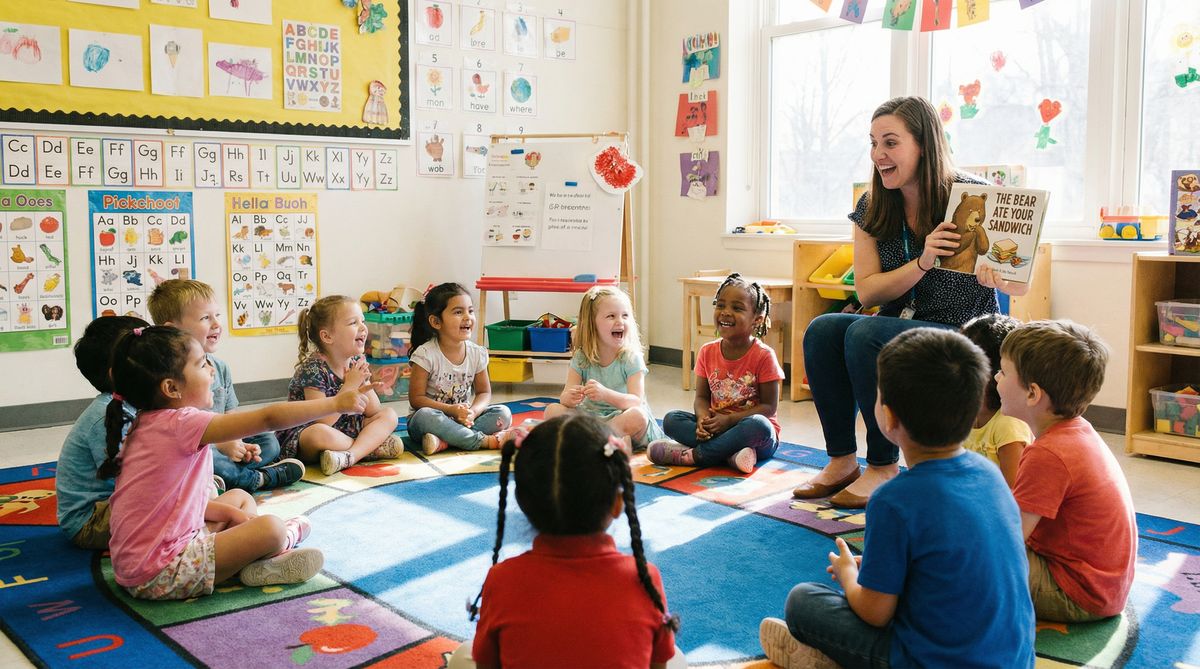
Preschool children sitting in a circle discussing emotions and feelings

It's 9:15 AM on a Tuesday at a Manhattan preschool. Two kids are fighting over a red truck. A teacher sits down between them and asks, "How are you both feeling right now?" One child says, "Angry. He took MY truck." The other says, "I was playing with it first."

Instead of taking the truck away, the teacher helps them name their emotions, understand each other's perspective, and work together to solve the problem. Fifteen minutes later, they're building a road together.

This isn't just good classroom management. This is social-emotional learning (SEL), and it's one of the most important skills your child will develop in preschool-possibly more important than mastering the alphabet.

What Is Social-Emotional Learning?

Social-emotional learning is the process of developing self-awareness, self-regulation, social awareness, and relationship-building skills. In plain terms: learning to understand your feelings, manage them, understand other people's feelings, and work well with others.

It sounds simple. But for a four-year-old, it's complex work.

SEL breaks down into five core competencies:

Self-awareness: Recognizing your own emotions and how they show up in your body. "My shoulders are tight because I'm worried." "I'm bouncing because I'm excited."

Self-regulation: Calming yourself down when you're upset. Using tools like deep breathing or asking for help instead of hitting.

Social awareness: Understanding how other people feel. Reading facial expressions, tone of voice, body language.

Relationship skills: Cooperating, communicating, making friends, solving conflicts together.

Responsible decision-making: Thinking through choices and their consequences before acting.

These aren't innate. They're learned skills, just like letters and numbers.

Why Preschool Is the Right Time

Neuroscience is clear: the preschool years (ages 3-5) are when the emotional part of your child's brain is developing most rapidly. The prefrontal cortex-the part that handles impulse control and decision-making-is literally still being wired.

This is why preschoolers melt down over small things. Their brain isn't equipped yet to handle big feelings. But with practice, in a consistent, safe environment, they get better at it.

Preschools that prioritize SEL give children thousands of small moments to practice these skills. Circle time for discussing feelings. Conflict resolution when toys are shared. Celebrating each other's wins. Helping a classmate who's upset.

Each moment is a chance to wire these pathways in their brain.

By kindergarten, kids who've had SEL are calmer in transitions, better at listening to teachers, more likely to include other kids, and handle disappointment without falling apart. These aren't soft skills. They're foundational to everything else.

The Research Is Strong

The research on SEL outcomes is consistent. A 2017 meta-analysis of 82 schools found that SEL programs improved academic performance by 11 percentile points. Kids with strong social-emotional skills also had:

- Lower rates of anxiety and depression
- Better attendance at school
- Stronger peer relationships
- Higher graduation rates in high school

The American Psychological Association and the National Association for the Education of Young Children both recommend SEL as a core part of early childhood curriculum.

What Does SEL Look Like in a Good Preschool?

You can see SEL happening in how teachers respond to moments throughout the day.

During conflict: Instead of separating kids or punishing, teachers help them identify the problem, name feelings, and brainstorm solutions. "You both want the same thing. What could we do?"

When a child is upset: Teachers validate the feeling first. "You're really sad that it's time to go home. That's okay. Let's talk about it." Then they offer tools. Breathing exercises. Drawing feelings. Talking to a friend.

In circle time: Teachers read stories about emotions, ask kids about their day, and practice conversations about feelings and social situations.

During play: Teachers narrate what they see. "You shared the blocks with Maya. That made her happy." Or they ask questions that build empathy. "How do you think he felt when that happened?"

In transitions: Instead of rushing from activity to activity, there's time to process. "Tomorrow we're not coming here. That's okay. Tell me what you're thinking."

It's intentional. It's consistent. And it works.

The Creative Curriculum and SEL

If you're researching preschools in NYC, you've probably heard about the Creative Curriculum. That curriculum actually has SEL woven throughout. It's not an add-on. It's built into how teachers are trained to interact with kids.

Teachers are taught to observe children's social interactions, understand the underlying feelings and needs, and respond in ways that help kids practice these skills. It's part of the philosophy, not a checkbox.

At Sunshine Learning Center and other quality preschools using this approach, SEL isn't a separate program. It's how the school operates.

Red Flags: SEL Done Poorly (Or Not At All)

Some preschools talk about SEL but don't actually implement it well. Look for these red flags:

Behavioral consequences without understanding: If a kid hits and they just get a timeout without talking about why or what they're feeling, that's not SEL.

Ignoring feelings: A teacher who dismisses a child's emotions ("Stop crying, you're fine") isn't building emotional awareness.

No follow-up: A conflict happens, the teacher separates the kids, and that's it. No reflection. No learning.

Lecturing instead of guiding: Saying "Be nice" or "Use your words" without helping kids actually figure out how.

When you visit a preschool, ask directly: "How do you handle conflict between kids?" and "What do you do when a child is upset?" Listen to whether they talk about understanding feelings or just stopping behavior.

How to Support SEL at Home

SEL doesn't stop at school. You can reinforce it every day.

Name emotions constantly: "I see you're frustrated that the blocks fell. That's a hard feeling." Not just for big emotions. For everyday ones too.

Validate before you fix: "You're sad your friend can't play today. That's a real feeling" is more powerful than "It's okay, you can play tomorrow."

Coach problem-solving: Instead of solving conflicts for them, ask questions. "What could you do different next time?" "How can you tell her you're sorry?"

Read books about feelings: There are great picture books about emotions, sharing, friendship, and big feelings. Sunshine's teachers probably recommend some.

Model emotional intelligence yourself: Kids are watching. When you're frustrated, talking through it out loud ("I'm annoyed, I'm going to take three deep breaths") teaches them it's normal to have feelings and you can manage them.

The Long-Term Payoff

Kids who develop strong social-emotional skills in preschool don't just do better academically in kindergarten. Studies follow them through elementary school and beyond. They have fewer behavioral problems, better friendships, higher self-esteem, and are more resilient when things get hard.

That four-year-old learning to solve the truck conflict today is learning skills he'll use in team projects in high school, job interviews, and relationships his whole life.

SEL isn't trendy. It's foundational.

What to Look for When Choosing a Preschool

If you're visiting preschools in NYC right now, prioritize programs that take SEL seriously. Ask about their approach, watch how teachers interact with kids, and notice whether emotions are something the school acknowledges and works with or ignores.

A good program doesn't just teach ABCs. It teaches kids how to understand themselves and work with others. That's the skill that actually matters most.

If you'd like to see how Sunshine Learning Center incorporates these practices into their comprehensive curriculum, schedule a tour at sunshinenewyork.com or visit one of their locations across East Harlem, Harlem, Yorkville, and beyond.

You can also read more about school readiness and how quality preschool programs prepare children for their next steps.

READ ARTICLE
Become a Sunshine Teacher

Join a team that shares your passion.

Apply TODAY
Music
Language
Movement
Culture
Community
Arts
Academics
Social Skills